Buy the 7x14 mini lathe at $475.92 for small parts, hobby projects and a tight bench. Step up to the 8x16 mini lathe at $719.91 only when you regularly turn stock past 3 inches in diameter or need longer between-centers work.

VEVOR Metal Lathe 7x14inch Precision Bench Top Mini Metal Lathe 550W...
Check price on AmazonThe two options side by side
VEVOR Metal Lathe 7x14inch Precision Bench Top Mini Metal Lathe 550W...
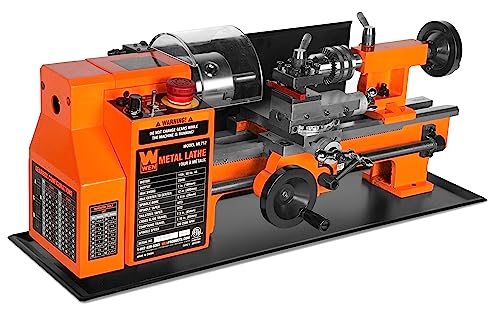
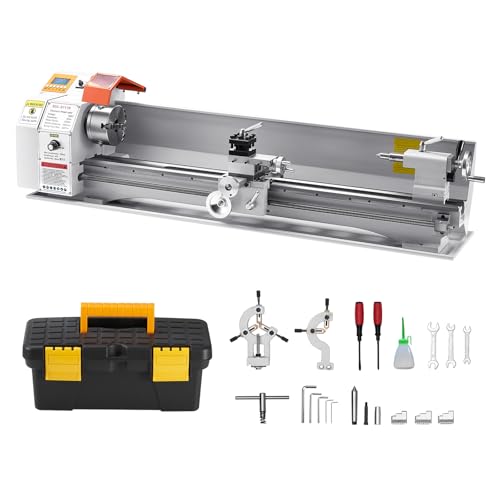
A 550W, 50 to 2500 RPM benchtop lathe with a 14 inch bed. The most common first-lathe size, cheapest to buy and cheapest to tool up because tool posts, chucks and change gears for this size are everywhere.
Check price on Amazon
VEVOR High-quality Metal Lathe
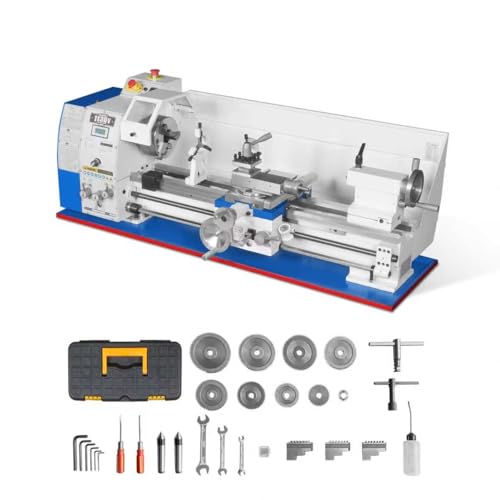
A 550W, 0 to 2500 RPM lathe with a 16 inch bed and a spindle rated to 0.0003 inch accuracy. One size up in swing and bed length, at a real price jump, for parts a 7x14 cannot physically hold.
Check price on AmazonPick the 7x14 if this is your first lathe, your projects are small parts, bushings, model engine components or gunsmithing work, and your bench space or budget is limited. Pick the 8x16 only if you already know you need the extra 2 inches of bed length or the larger swing for a specific recurring job, since the accessories cost more and the machine takes more bench and more amps to run.
What do the numbers 7x14 and 8x16 actually mean?
The first number is swing, roughly the largest workpiece diameter the lathe can turn over the bed. The second number is distance between centers, the longest single piece of stock the lathe can hold end to end. A 7x14 swings about 7 inches and holds up to 14 inches between centers. An 8x16 swings about 8 inches and holds up to 16 inches. Neither number is the whole story: usable swing is smaller once you account for the compound and tool post in the way, and usable length shrinks once a chuck and tailstock are mounted.
Both machines here run the same 550W motor class and cover a similar RPM band, so the practical difference between them is capacity and rigidity, not top speed. The 8x16 in this comparison is the newer VEVOR release with a rated spindle accuracy of 0.0003 inch, a spec the base 7x14 listing does not claim.
| Spec | 7x14 (B0B3MYJSFG) | 8x16 (B0F3HVGRNK) |
|---|---|---|
| Swing | 7 inch | 8 inch |
| Between centers | 14 inch | 16 inch |
| Motor | 550W | 550W |
| Speed range | 50 to 2500 RPM | 0 to 2500 RPM |
| Spindle accuracy | not rated | 0.0003 inch |
| Price | $475.92 | $719.91 |
Which one should a beginner actually buy?
Buyer data on these machines is unambiguous: 7x14 lathes in the 450 to 650 dollar band sell at real volume, while benchtop machines priced well above that see almost no sales. That is not an accident. Most hobby projects, model engine parts, gunsmithing work, RC car components, tool and jig making, fit comfortably inside a 7x14 swing, and a first lathe you actually buy and use beats a bigger lathe you keep saving for.
A beginner also benefits from the 7x14 being the more common size. Replacement chucks, quick change tool posts, steady rests and change gears are made in larger numbers for the 7x14 platform, which means more choices and lower prices when you start upgrading tooling in your first year.
When does the extra swing on an 8x16 actually matter?
The 8x16 earns its price when you are turning stock that will not fit inside a 7 inch swing, or facing a part wider than the smaller lathe can clear. That is a real constraint for anyone turning larger flywheels, pulleys or fixture bodies. It also matters if your projects run long, since 16 inches between centers gives 2 more inches of working length before you need to flip the part or add a steady rest.
The tradeoff is real too. The 8x16 weighs more, needs more bench depth, and its tooling, from the 3-jaw chuck to change gears, is a size up and priced accordingly. Buy the size you need for the work you actually have queued up, not the size that feels more impressive.
Do rigidity and spindle accuracy differ between the two sizes?
A larger casting and bed generally means more resistance to chatter on interrupted cuts and larger diameter facing work, which is one reason the 8x16 class targets more demanding projects. The 0.0003 inch spindle accuracy rating on this 8x16 listing is a real advantage for precision fits, though runout in practice depends on chuck quality and how well the machine is leveled and broken in, not the spec sheet alone.
Neither size replaces a full-size engine lathe for heavy stock removal. Both are hobby-grade benchtop machines meant for light cuts, sharp tooling and patience. Set your speed with the RPM calculator before the first cut on either one.
What does it cost to tool up each size?
Tooling cost is the part beginners underestimate. A 7x14 typically ships with a basic 3-jaw chuck and a handful of change gears, and most owners add a quick change tool post, a set of carbide or HSS turning tools, and a dial or digital caliper within the first few projects. An 8x16 needs the same list of accessories, but each one, chuck, tool post, gears, is a size larger and priced accordingly, which stacks the true cost of ownership above the sticker price gap between the two machines.
Budget for tooling before you budget for the lathe itself. A 7x14 plus a full starter tooling kit often costs less than an 8x16 bought bare.
| Add-on | Typical need on either size |
|---|---|
| Turning tools | Carbide or HSS tool bits, matched to lathe swing |
| Quick change tool post | Size matched to compound, not interchangeable between sizes |
| Calipers | Digital or dial, for every setup |
| Chuck upgrade | 4-jaw independent for eccentric or square stock |
Shop the tools for this
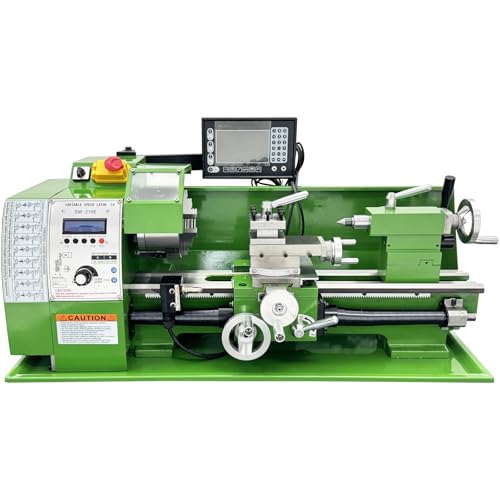
An even spread across the price range, cheapest to premium.


Frequently asked questions
Can a 7x14 mini lathe handle most hobby machining projects?
Yes. Small engine parts, bushings, custom fasteners, RC components, gunsmithing details and shop jigs almost all fit inside a 7 inch swing and 14 inch bed. The 7x14 is the volume seller for exactly this reason: it covers the vast majority of home shop work at the lowest entry cost and the lowest tooling cost.
Is the 8x16 mini lathe more rigid than the 7x14?
Generally yes, since it carries a larger bed casting and a heavier overall frame, which helps resist chatter on wider facing cuts and interrupted work. Rigidity in practice still depends on leveling the machine, tightening gibs correctly and using sharp tooling, so an 8x16 poorly set up will not out-cut a well-tuned 7x14 on small work.
Do the 7x14 and 8x16 use the same accessories?
No. Chucks, quick change tool posts, steady rests and change gears are sized to the spindle and bed of each machine, so accessories are not interchangeable between the two. Confirm the spindle thread or taper and compound size before buying tooling for either machine, since sellers list this separately from the swing and bed numbers.
Will I outgrow a 7x14 mini lathe?
Most hobbyists do not. The projects that genuinely require an 8x16 or larger, wide flywheels, long shafts, big facing work, are a minority of home shop tasks. Buy the 7x14 first, build real turning skill and a tooling kit, and only step up in size when a specific project you actually have proves you need the extra swing or length.
Does a bigger motor come with the 8x16?
Not necessarily. The 8x16 compared here runs the same 550W motor class as the 7x14, so the larger size buys swing, bed length and a tighter spindle accuracy rating, not more raw power. Check the wattage on any specific listing before assuming size alone means more cutting force, since some 8x16 and larger models do step up to 650W or more.
Keep going
More comparisons
- Carbide vs HSS lathe tools
- Digital vs dial caliper
- Caliper vs micrometer
- Dial indicator vs dial test indicator
- ER32 vs 5C collets
- Portable bandsaw vs 4x6 horizontal bandsaw
- Spiral point vs hand taps
- Cobalt vs titanium drill bits
Researched from published specifications, standards and verified owner reviews. Not professional advice. How we research.