Buy titanium coated HSS bits at $29.99 for mild steel, aluminum and general shop drilling on a budget. Buy GMTOOLS cobalt bits at $39.99 for stainless steel and harder alloys where heat resistance actually decides whether the bit survives the hole.
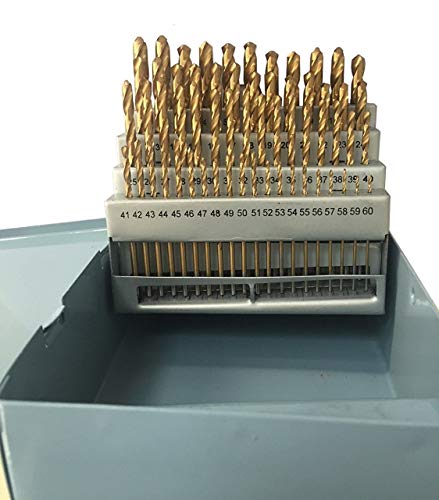
LLDSIMEX 60Pc 1#-60# TiN Coated Drill Bit Set HSS Steel
Check price on AmazonThe two options side by side
LLDSIMEX 60Pc 1#-60# TiN Coated Drill Bit Set HSS Steel
A 60-piece numbered set of HSS bits with a titanium nitride coating. The coating reduces friction and adds surface hardness while the bit is new, at a low price for a full number index #1 through #60.
Check price on Amazon
GMTOOLS 29Pcs Cobalt Drill Bit Set
A 29-piece set of cobalt bits, 1/16 to 1/2 inch, with a 135 degree tip. Cobalt is alloyed through the entire bit, not just coated on the surface, so heat resistance does not wear off.
Check price on AmazonTitanium coated HSS bits are the better value for mild steel, aluminum and wood or plastic mixed into the same shop, since the coating handles moderate heat fine at a lower price. Cobalt bits are worth the extra cost for stainless steel, cast iron and other harder alloys, since the cobalt content resists heat through the whole bit rather than only at a surface coating that eventually wears through.
What is actually different between a titanium coating and cobalt alloy?
A titanium coated bit is standard high speed steel with a thin titanium nitride layer applied to the surface, which reduces friction and adds hardness while that coating is intact. Once the coating wears through from use or resharpening, the bit underneath is plain HSS with none of the coating's heat resistance left. A cobalt bit is a different alloy altogether, typically 5 to 8 percent cobalt mixed into the steel itself, so the heat resistance is a property of the whole bit, not a surface layer that can wear away.
That difference is why cobalt bits keep cutting well after repeated resharpening while a titanium coated bit loses its edge advantage once ground past the coated surface.
| Factor | Titanium coated | Cobalt |
|---|---|---|
| Heat resistance | Coating only, wears off | Alloyed through entire bit |
| Survives resharpening | Coating benefit lost when reground | Full benefit retained |
| Best on | Mild steel, aluminum, wood, plastic | Stainless, cast iron, hard alloys |
| Typical set price | $29.99 | $39.99 |
Why does stainless steel favor cobalt so strongly?
Stainless steel work-hardens as a drill bit cuts it, meaning the material at the cutting edge gets harder from the heat and pressure of drilling, which then demands more from the bit to keep cutting rather than rubbing and generating even more heat. A titanium coating can survive a hole or two in stainless before the coating wears through, after which the plain HSS underneath dulls quickly against the hardened material. Cobalt's heat resistance runs the full depth of the bit, so it keeps a working edge through more holes in stainless before needing to be reground.
Cast iron and other hard, abrasive alloys benefit the same way, since cobalt resists the abrasive wear that dulls a coated HSS bit faster.
Is titanium coating worth it over plain uncoated HSS?
Yes, for the price difference, a titanium nitride coating meaningfully reduces friction and extends the first-use life of an HSS bit compared to plain uncoated HSS, especially in mild steel and aluminum where heat buildup is less extreme. The coating is a genuine upgrade over bare HSS at low added cost, it just is not a substitute for cobalt when the material itself is the harder problem, like stainless or hardened steel.
Match bit choice to material rather than assuming a coating name means the bit can handle anything. Check your speed against the RPM calculator for the specific metal you are drilling either way.
Does drilling speed and pressure matter as much as bit material?
It does, and often more than the choice between coated and cobalt bits. Running a drill too fast or without enough steady feed pressure generates excess heat regardless of bit material, and that heat is what actually dulls an edge or burns a coating away prematurely. Slowing down for harder materials, using cutting fluid, and maintaining steady feed pressure extends the life of either bit type substantially.
A cobalt bit run too fast and dry will still dull faster than a titanium coated bit run at correct speed with lubrication. Technique and bit choice work together, not one instead of the other.
A center punch mark and a slower starting speed also matter more than bit material for keeping a hole on location, since a bit skating across the surface before it bites wastes both time and the cutting edge before the hole even starts.
| Material | Better default bit choice |
|---|---|
| Aluminum, brass | Titanium coated |
| Mild steel | Titanium coated |
| Stainless steel | Cobalt |
| Cast iron, hard alloys | Cobalt |
Shop the tools for this
An even spread across the price range, cheapest to premium.


Frequently asked questions
Do titanium coated drill bits actually contain titanium metal?
No, the bit itself is standard high speed steel, and titanium nitride is applied only as a thin surface coating for added hardness and reduced friction. This is different from cobalt bits, where the cobalt is alloyed into the steel throughout the bit, not just on the surface, which is why the two behave so differently once worn or reground.
Can I resharpen a titanium coated drill bit and keep the coating benefit?
Not fully, since grinding a fresh edge removes material from the coated surface and typically exposes the uncoated HSS underneath at the cutting edge. The bit still works as plain HSS after resharpening, it simply loses the reduced-friction, added-hardness benefit the coating provided when new.
Are cobalt drill bits more brittle than titanium coated HSS bits?
Cobalt bits can be somewhat more brittle and prone to snapping under a hard sideways catch compared to standard HSS, since the added cobalt content trades a little toughness for its heat resistance. Steady, controlled feed pressure and a rigid setup matter more with cobalt bits to avoid breaking one on a bind.
What size drill bit set should I buy first for a home metal shop?
A numbered set covering #1 through #60, like this titanium coated set, fills the gaps a basic fractional set misses and is essential for tap drilling smaller machine screw threads. Add a fractional cobalt set from 1/16 to 1/2 inch once you are regularly drilling stainless or harder alloys in the more common bolt and screw sizes.
Do I need cutting fluid when drilling with cobalt bits?
Yes, cutting fluid still meaningfully extends bit life and improves finish with cobalt bits, especially in stainless steel where reducing heat buildup at the cutting edge matters even with cobalt's inherent heat resistance. Skipping lubrication in stainless is one of the fastest ways to dull even a quality cobalt bit prematurely.
Do black oxide drill bits fit into this comparison at all?
Black oxide bits are plain HSS with an oxide finish that adds mild corrosion resistance and a small amount of lubricity, but it offers far less heat resistance than either a titanium nitride coating or a cobalt alloy. Treat black oxide as the budget baseline for wood, plastic and light aluminum work, and step up to titanium coated or cobalt bits as soon as steel or stainless enters the picture.
Keep going
More comparisons
- 7x14 vs 8x16 mini lathe
- Carbide vs HSS lathe tools
- Digital vs dial caliper
- Caliper vs micrometer
- Dial indicator vs dial test indicator
- ER32 vs 5C collets
- Portable bandsaw vs 4x6 horizontal bandsaw
- Spiral point vs hand taps
Researched from published specifications, standards and verified owner reviews. Not professional advice. How we research.