The Machinery's Handbook Toolbox edition at $84.70 is the reference every home machinist eventually buys: the same tables and formulas as the full edition, in a compact size that stays open on the bench.
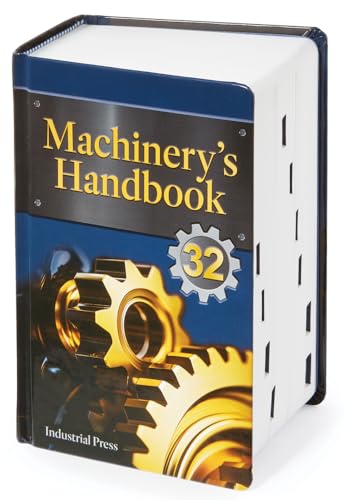
Machinery's Handbook: Toolbox
Machinery's Handbook is the reference machinists have used for over a century for tap drill sizes, thread data, cutting speeds, tolerances and material properties, and the Toolbox edition packs the same core tables and formulas as the full-size book into a smaller, thinner volume that is easier to keep open on a cluttered bench. It will not teach lathe operation from scratch, but once a hobbyist has read a project-based book or two, this is the reference that stays useful for decades.
Check price on AmazonThe three picks at a glance
| Tier | Pick | Price |
|---|---|---|
| Beginner | Metal Lathe for Home Machinists | $12.99 |
| Intermediate | Machinery's Handbook: Toolbox | $84.70 |
| Expert | Machinery's Handbook | $199.01 |
Beginner: Best first book
Who it is for: Someone new to metal lathes who needs a project-based introduction before diving into a reference book.

Metal Lathe for Home Machinists
The Metal Lathe for Home Machinists at $12.99 from Fox Chapel Publishing teaches through 12 skill-building turning projects, a structure that suits beginners far better than a dense reference table.
Check price on AmazonSkip it if: Anyone who already knows basic lathe operation and just needs quick-reference tables and formulas.
Intermediate: Buy once
Who it is for: A hobbyist who has learned the basics and wants the one reference book that answers thread, speed and tolerance questions for good.
Machinery's Handbook: Toolbox
The Machinery's Handbook Toolbox edition at $84.70 compresses the full reference into a compact format, covering tap drill sizes, thread standards, cutting speeds and material data that a hobby shop needs constantly.
Check price on AmazonSkip it if: Anyone who wants the largest print size or a bundled digital edition alongside the physical book.
Expert: Performance ceiling
Who it is for: A machinist who wants the complete, unabridged reference with every table the Toolbox edition condenses or omits.

Machinery's Handbook
The Machinery's Handbook, 29th edition at $199.01 is the full unabridged reference, with every section, table and formula the Toolbox edition trims for size, the edition a professional shop or serious hobbyist reaches for first.
Check price on AmazonSkip it if: Anyone who wants a book to keep in a tool chest drawer; the full edition is large and better suited to a bookshelf near the bench.
Which Machinery's Handbook edition should a home shop actually buy?
Machinery's Handbook exists in several formats: the Pocket Companion, a slim quick-reference; the Toolbox edition, a compact version of the full book; the full-size Handbook itself; and combo packages that bundle a digital edition or a calculator alongside the print book. For a home shop, the Toolbox edition is the sweet spot, since it carries nearly everything the full edition does in a size that survives being picked up constantly.
The Pocket Companion is worth considering as a cheaper starting point, and the full-size Handbook or a combo edition makes sense once budget and shelf space allow for the complete reference.
| Edition | Format | Price |
|---|---|---|
| Pocket Companion | Quick reference | $34.30 |
| Toolbox edition | Compact full reference | $84.70 |
| Machinery's Handbook, 29th | Full unabridged reference | $199.01 |
| Handbook & Digital Edition Combo | Print plus digital | $191.71 |
Do you need a mini lathe specific book, or does Machinery's Handbook cover it?
Machinery's Handbook is a reference of tables and formulas; it does not walk through how to set up a mini lathe, choose first upgrades, or complete a beginner project step by step. A book written specifically for mini lathes, like The Complete Mini-Lathe Workshop, fills that gap with content aimed at the exact machines most hobby shops own.
The two book types answer different questions: a project-based mini lathe book teaches technique and setup, while Machinery's Handbook answers "what tap drill size" or "what cutting speed" once you already know the operation. Most home shops end up owning one of each.
Pocket Companion vs Toolbox vs full Handbook: what is actually different?
The Pocket Companion is the smallest and cheapest, condensing the most commonly needed tables into a slim volume aimed at quick shop-floor lookups. The Toolbox edition is a genuinely compact version of the complete book, trimmed in page size and binding rather than content, which is why it remains the most recommended edition for a working bench. The full-size Handbook adds depth in specialized sections that a hobby shop rarely needs, at a larger and heavier format.
Unless a specific specialized section is needed, the Toolbox edition covers what a home machinist actually reaches for, most of the time, without the bulk of the full edition.
What should a first metalworking book teach before anything else?
Before diving into reference tables, a beginner benefits most from a book that explains machine setup, basic safety, and a handful of guided projects that build real skill: facing, turning to diameter, parting off, and drilling on center. That is exactly the structure of a project-based book like Metal Lathe for Home Machinists.
Once those fundamentals are comfortable, a reference book like Machinery's Handbook becomes far more useful, because the reader already knows what to do with a tap drill size or a recommended cutting speed once they look it up.
Also worth considering
- The Complete Mini-Lathe Workshop ($37.99): The Complete Mini-Lathe Workshop, written specifically around the mini lathes most hobby shops actually own.
- Tabletop Machining: A Basic Approach to Making Small Parts on... ($43.97): Tabletop Machining from Sherline, focused on making small parts on miniature machine tools.
- Machinery's Handbook Pocket Companion: Quick Access to Basic Data &... ($34.30): The Machinery's Handbook Pocket Companion, a smaller and cheaper quick-reference for a shop that does not need the full Toolbox edition yet.
- Metal Lathe Handbook For Home Machinists ($99.99): A Metal Lathe Handbook for Home Machinists as a second project-based option alongside the Fox Chapel book.
More options across the price range
Chosen as an even spread from the cheapest to the most expensive listing in this category.


How we chose
Every book here is drawn from the site catalog of currently listed Amazon products, compared on published table of contents, edition format, page count and reader reviews rather than any personal reading or review of the text.
Machinery's Handbook editions were compared strictly by format and completeness as described by the publisher, since the underlying reference content is largely the same across the Pocket Companion, Toolbox and full editions; the meaningful differences are size, weight and what is trimmed for space.
Buying tips
Should a beginner start with a reference book?
No. A project-based book that teaches setup and basic technique is a better starting point; add a reference book once the basics are comfortable.
Is the Toolbox edition missing important content?
Not meaningfully. It trims size and binding, not the core tables and formulas that make Machinery's Handbook useful in a home shop.
Do you need a mini lathe specific book if you own Machinery's Handbook?
Yes, for setup and technique. The Handbook is a reference of tables, not a guide to operating a specific machine.
Is a digital edition worth adding to a print book?
Useful if you want to search the text on a phone or tablet at the bench, but not essential; the print book alone covers most home shop needs.
Get these picks by email
Every item on this page with its current price in one email, so you can buy the shop in stages. No sales sequence.
Used only to send the list.Frequently asked questions
What edition of Machinery's Handbook should a hobbyist buy?
The Toolbox edition is the standard recommendation for a home shop: it carries the same core tables and formulas as the full-size book in a smaller, easier-to-handle format. The Pocket Companion is a cheaper alternative for someone who wants only the most common quick-reference tables, and the full-size 29th edition suits anyone who wants the complete, unabridged reference on a shelf.
Do I need a reference book or a project-based book first?
A project-based book first, if you are new to a metal lathe. A book like Metal Lathe for Home Machinists teaches setup, basic technique and guided projects, which builds the foundation needed to make good use of a reference book like Machinery's Handbook once you start looking up tap drill sizes or cutting speeds for your own projects.
Is Machinery's Handbook worth it for a hobby shop, or overkill?
It is worth it once you are past the beginner stage and regularly need thread data, tap drill sizes, cutting speeds or material properties, all of which the calculators and charts on this site also cover for common cases. The book is more comprehensive and becomes the reference you reach for on less common questions those tools do not cover.
What is the difference between the Toolbox edition and the full Handbook?
Both cover essentially the same core reference material; the Toolbox edition is compressed into a smaller, thinner format for easier handling on a bench, while the full-size Handbook, such as the 29th edition, is larger and includes additional specialized sections a home shop rarely needs. Most hobbyists find the Toolbox edition covers what they actually look up.
Are older editions of Machinery's Handbook still useful?
Yes, for the vast majority of hobby machining. Core reference data like standard thread dimensions, tap drill sizes and material densities change rarely, so an older edition found secondhand still serves a home shop well; newer editions mainly add updated standards references and occasional new sections rather than replacing the fundamentals.
Keep going
Researched from published manufacturer specifications, listing details and verified owner reviews. Not hands-on testing and not professional advice. How we research.